



Blog
How to Tell If Your AC Is Low on Refrigerant (Signs to Watch For)

You don’t have to be an HVAC expert to know something is wrong with your air conditioner. Common signs your AC is low on refrigerant include warm or weak airflow, ice on the evaporator coil, reduced cooling, short cycling, and hissing or bubbling noises. In Southern Oklahoma and North Texas, where summer heat can be intense, these symptoms may become especially noticeable as your AC works harder to keep your home comfortable.
In this guide, we’ll explain how refrigerant works, the most common signs your AC may be low on refrigerant, and what it means for your system’s performance, comfort, and energy bills in the Texoma region.
For homeowners in Ada, Ardmore, Durant, Denison, and nearby communities, refrigerant problems can become especially noticeable during long stretches of hot weather. When your AC is already working hard to keep up with Southern Oklahoma and North Texas summers, even a small refrigerant issue can lead to weak airflow, longer run times, higher humidity, and uneven cooling throughout your home.
- Warm air, weak airflow, frozen coils, short cycling, and unusual hissing or bubbling noises can indicate low AC refrigerant.
- Refrigerant does not normally get used up, so a low refrigerant level typically means the system has a leak.
- Running an AC with low refrigerant can increase humidity and energy bills while potentially damaging the compressor.
- Do not attempt to add refrigerant yourself. Refrigerant leaks and recharging should be handled by a licensed HVAC professional.
- Scheduling an inspection promptly can help prevent more expensive damage and restore your home’s cooling performance.
What Does Refrigerant Do in an Air Conditioner?
An air conditioner can’t cool your home without refrigerant, which is sometimes referred to as Freon. Refrigerant is the substance that absorbs heat from indoor air and helps move that heat outside.
As warm air passes over the evaporator coil, the refrigerant absorbs heat and changes states as it moves through the system. The system then releases that heat outdoors, and cooled air is circulated back through your home.
In hot, humid climates like Southern Oklahoma and North Texas, this process is essential not just for lowering the temperature, but also for managing indoor humidity and overall comfort. When refrigerant levels are low, your AC may struggle to cool properly, run longer than normal, or leave your home feeling warmer and stickier than it should.
How Can You Tell If Your AC Is Low on Refrigerant?
Recognizing low refrigerant early can help you avoid bigger and more expensive problems. Because refrigerant issues usually point to a leak, the symptoms often get worse over time if they are ignored. Here are the most common warning signs homeowners in the Texoma area should watch for:
1. Weak or Warm Airflow
If your vents are blowing warm or weak air, especially during peak summer heat, it may mean your system doesn’t have enough refrigerant to properly cool the air. Low refrigerant can also cause the evaporator coil to freeze, which restricts airflow even more.
You may notice that certain rooms feel warmer than others, your AC runs for longer cycles, or the air coming from the vents never feels as cold as it used to. These are all signs that your system needs professional attention.
2. Ice Buildup on the Evaporator Coil
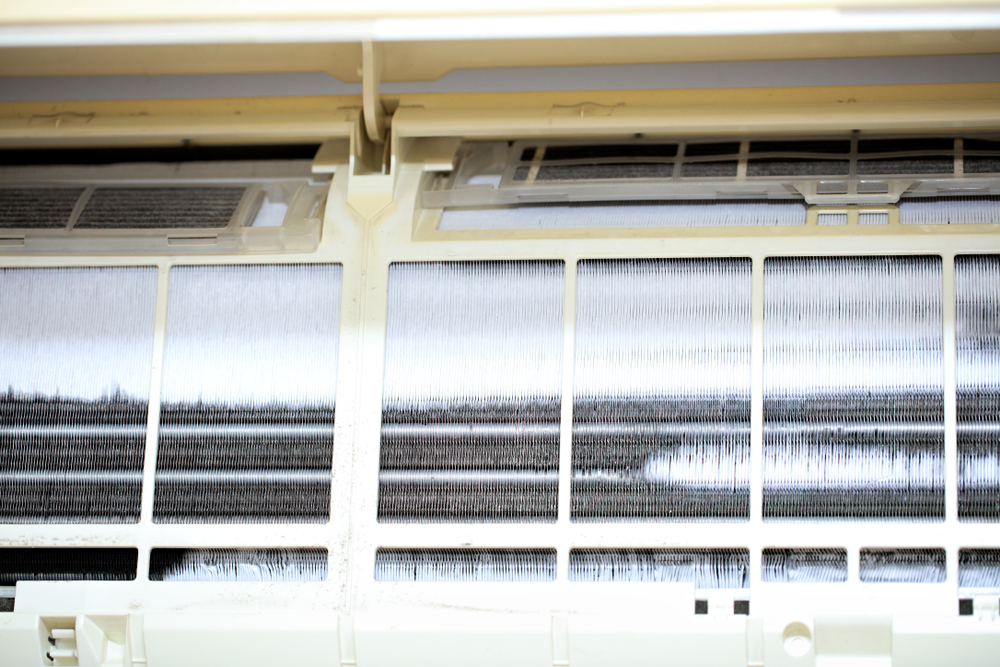
Ice or frost on your AC unit is never normal, especially in the middle of an Oklahoma or North Texas summer. When refrigerant levels drop too low, the temperature inside the system can fall below normal, causing ice to form on the evaporator coil or refrigerant lines.
If you see ice, turn the system off and call a professional. Continuing to run the AC while the coils are frozen can put extra strain on the compressor and may lead to more serious damage.
3. Reduced Cooling Performance
If your home isn’t reaching the temperature you set on the thermostat, your AC may be struggling because of low refrigerant. This is especially noticeable during long heat waves common in Ada, Ardmore, Durant, Denison, and surrounding Texoma communities.
Reduced cooling may start gradually. At first, your AC may only struggle in the afternoon or in rooms that get a lot of sun. Over time, the system may have trouble keeping the whole home comfortable.
4. Short Cycling
Does your AC turn on and off more frequently than usual? This is called short cycling, and it can be caused by low refrigerant levels. Short cycling puts extra strain on your system, increases energy usage, and can lead to long-term damage.
A short-cycling AC often cannot complete a full cooling cycle, which means your home may feel uncomfortable even though the system keeps turning on. If you notice burning smells or unusual behavior, contact an emergency AC repair professional right away.
5. Hissing or Bubbling Noises
Unusual sounds like hissing or bubbling often point to a refrigerant leak. Hissing may indicate refrigerant escaping through a small opening, while bubbling can happen when air enters the refrigerant line.
These sounds should not be ignored. Refrigerant leaks reduce efficiency, affect cooling performance, and can cause expensive system damage if left unaddressed.
What Happens If Your AC Is Low on Refrigerant?
Refrigerant doesn’t get “used up” the way fuel does. If your refrigerant level is low, there is typically a leak somewhere in the system. Because refrigerant evaporates quickly, leaks can be difficult to see, which makes symptom recognition especially important.
Letting a refrigerant problem continue can affect comfort, energy efficiency, humidity control, and the long-term health of your AC system.
Broken Compressor
The compressor is one of the most important and expensive parts of your AC system. Low refrigerant forces it to work harder, which can lead to overheating and eventual failure.
Once the compressor fails, repairs can become much more costly. That’s why it’s best to address low refrigerant symptoms early instead of waiting until the system stops cooling completely.

Higher Indoor Humidity
Air conditioners help remove humidity from your home. In humid parts of Southern Oklahoma and North Texas, low refrigerant can make your home feel sticky and uncomfortable, even if the thermostat looks close to normal.
If your home feels clammy, smells musty, or has condensation around windows or vents, your AC may not be removing moisture effectively.
Reduced Cooling Power
Without enough refrigerant, your system simply can’t cool your home effectively. This often leads to uneven temperatures, longer run times, and poor comfort during the hottest parts of the day.
You may also notice that lowering the thermostat doesn’t solve the problem. If the system cannot transfer heat properly, setting the thermostat lower only makes the AC work harder.
Higher Energy Bills
If your energy bills are climbing without a clear reason, your AC could be overworking due to a refrigerant issue. Longer cycles and reduced efficiency can significantly increase monthly costs.
This can be especially frustrating during Texoma summers, when cooling costs are already a major part of monthly energy use.
Can You Fix Low Refrigerant Yourself?
No, homeowners should not attempt to fix low AC refrigerant themselves. Refrigerant issues should always be handled by a licensed HVAC professional. Simply adding more refrigerant without finding and fixing the leak is only a temporary solution and can lead to more damage.
A professional technician can inspect the system, locate the leak, repair it when possible, and recharge the system to the correct level. This helps restore cooling performance safely and protects your equipment from further strain.
When Should You Call an HVAC Professional?
If you notice weak airflow, warm air, ice buildup, hissing noises, short cycling, or rising energy bills, it’s best to schedule an inspection sooner rather than later. Low refrigerant problems rarely resolve on their own and usually get worse over time.
This is especially important during peak cooling season in Ada, Ardmore, Durant, Denison, and surrounding Texoma communities. Prompt service can help prevent more expensive repairs and keep your home comfortable when temperatures rise.
Let’s Fix Your Low AC Refrigerant
Think you have low refrigerant? Don’t wait for the problem to get worse. Hunter Super Techs provides dependable air conditioner repair and AC tune-up services across Southern Oklahoma and North Texas.
Whether you’re in Ada, Ardmore, Durant, Denison, or a nearby area, our team is ready to help diagnose and fix your AC issues quickly. Call today at (580) 308-7810 or book your appointment online to restore comfort to your home!