



Blog
Why Your Home Stays Humid with The AC Running (And How to Fix It)

A damp, sticky home often leaves people asking, “Why is my house so humid with the AC on?” Your house may feel humid because the AC isn’t removing enough moisture due to restricted airflow, frozen coils, incorrect system sizing, leaking ductwork, low refrigerant, or a thermostat fan set to “On.” This is especially common in Southern Oklahoma and North Texas, where summer heat and humidity can make indoor comfort harder to control.
In areas like Ada, Ardmore, Durant, Denison, and the surrounding Texoma region, your AC has to do more than lower the temperature. It also needs to remove moisture from the air. When that process is interrupted, your home may feel clammy, uncomfortable, or even damp despite the system running.
Below, we’ll explain how your AC removes humidity, why your house may still feel humid with the AC on, what you can do about it, and when it’s time to call Hunter Super Techs for help.
- An AC can cool your home without removing enough humidity, leaving the air feeling cold but clammy.
- Common causes of high indoor humidity include frozen coils, dirty filters, incorrect AC sizing, duct leaks, an aging system, and a thermostat fan set to “On.”
- For most homes, the ideal indoor humidity level is approximately 30%–50%.
- Setting the thermostat fan to “Auto,” replacing the filter, sealing air leaks, and using exhaust fans may help reduce humidity.
- Persistent humidity, ice buildup, weak airflow, musty odors, or rising energy bills should be inspected by an HVAC professional.
- How Does an AC Remove Humidity?
- Why Is My House So Humid With the AC On?
- What Indoor Humidity Level Should Your Home Have?
- Can Your AC Cool but Not Remove Humidity?
- How Do You Reduce Humidity in Your Home?
- When Should You Call an HVAC Professional?
- Contact Hunter Super Techs for AC Help in Southern Oklahoma and North Texas
How Does an AC Remove Humidity?
Most homeowners think of air conditioners as cooling systems, but they also help control indoor humidity. As warm indoor air passes over the cold evaporator coils inside your AC system, moisture in the air condenses into water droplets. That moisture then drains away through the system’s condensate drain line.
When everything is working properly, this process helps your home feel cooler, drier, and more comfortable. But if your AC isn’t running long enough, has airflow problems, or is dealing with mechanical issues, it may cool the air without removing enough moisture.
That’s why a home can feel humid even when the thermostat says the temperature is where it should be. In humid climates like Southern Oklahoma and North Texas, proper moisture removal is a major part of indoor comfort.
Why Is My House So Humid With the AC On?
If your home feels sticky while the air conditioner is running, the issue may be related to airflow, refrigerant levels, system sizing, ductwork, outdoor humidity, or normal wear and tear. Here are some of the most common reasons homeowners in the Texoma area deal with high indoor humidity.
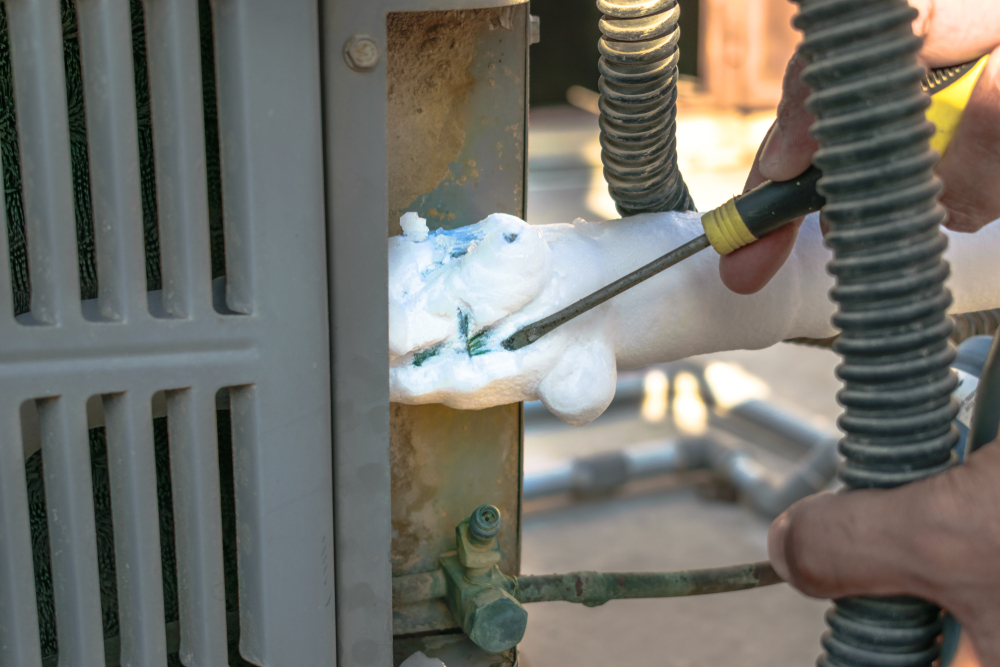
1. Frozen Evaporator Coils
Frozen evaporator coils can prevent your AC from properly absorbing heat and removing moisture from the air. When the coils ice over, your system may circulate cold but damp air, making your home feel clammy instead of comfortable.
This issue is often caused by restricted airflow, dirty filters, low refrigerant, or a malfunctioning blower motor. If ignored, frozen coils can put serious strain on the compressor and lead to more expensive repairs.
2. Dirty Condenser Coils
Your outdoor condenser coils help release heat from your home. When those coils are covered in dirt, grass clippings, leaves, dust, or storm debris, your AC has to work harder to cool the house.
In Southern Oklahoma and North Texas, outdoor units can collect debris quickly during windy weather, spring storms, and long cooling seasons. Dirty condenser coils reduce efficiency and may leave your home feeling humid and uncomfortable, especially on hot days when the system is already under heavy demand.
3. Aging Air Conditioning System
Older AC systems often struggle to control both temperature and humidity. Over time, components wear down, efficiency drops, and the system may no longer remove moisture as effectively as it once did.
If your air conditioner is 10–15 years old and you’re noticing higher humidity, uneven cooling, longer run times, or rising energy bills, it may be time to have the system inspected. In some cases, repairs may help. In others, replacing the air conditioner may provide better comfort, efficiency, and humidity control.
4. Thermostat Set to “On” Instead of “Auto”
Your thermostat fan setting can make a big difference. If the fan is set to “On,” it runs continuously—even when the AC is not actively cooling. That means the fan may blow moisture from the evaporator coil back into your home instead of allowing it to drain properly.
Switching the fan setting to “Auto” allows the system to cycle off between cooling runs. This gives condensed moisture time to drain away and can help your home feel less humid.
If your home feels cool but sticky, this is one of the easiest settings to check first.
5. Incorrect AC Unit Size
Bigger isn’t always better when it comes to air conditioning. If your AC unit is too large for your home, it may cool the temperature quickly but shut off before it has enough time to remove humidity. This is called short cycling, and it can make the house feel cold and clammy.
An undersized system can create problems too. It may run constantly without ever fully reaching the right temperature or humidity level, especially during extreme heat in Ada, Ardmore, Durant, Denison, and nearby communities.
A professional HVAC load calculation helps determine the right system size based on your home’s square footage, insulation, windows, ductwork, layout, and local climate.
6. Leaking Ductwork
Leaky ductwork can pull warm, humid air from attics, crawl spaces, garages, or wall cavities and distribute it throughout your home. This makes it harder for your AC to control both temperature and moisture.
Duct leaks can also reduce airflow, increase energy waste, and contribute to uneven room temperatures. If some rooms feel cool while others feel damp or stuffy, your ductwork may be part of the problem.
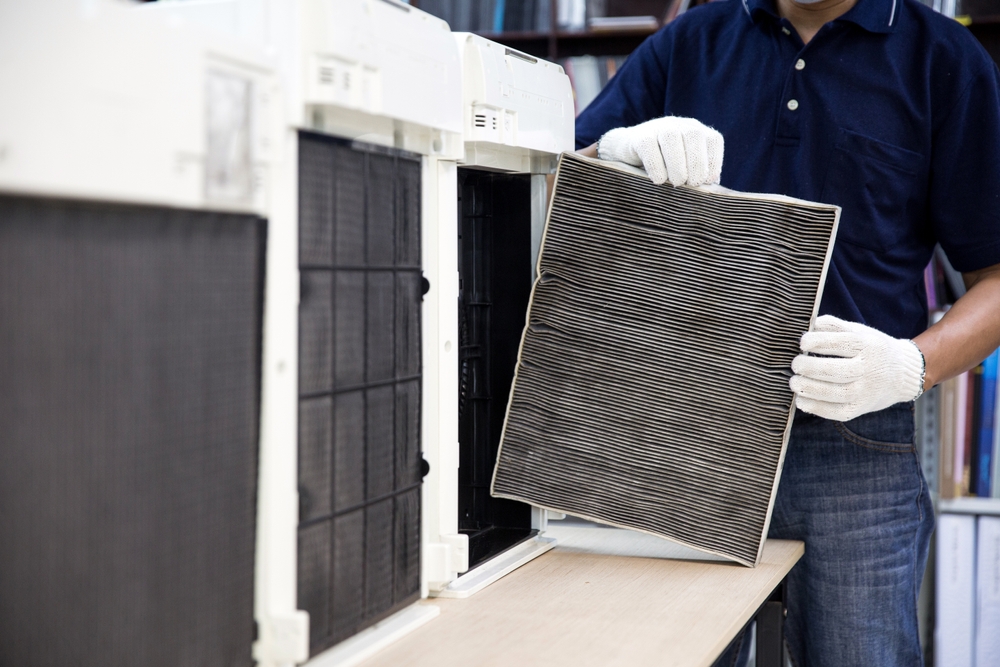
7. Dirty Air Filters
A clogged air filter restricts airflow through your system. When airflow is limited, your evaporator coils may get too cold and freeze. That can reduce your system’s ability to remove humidity and may cause your home to feel damp even while the AC is running.
Regular air filter replacement helps protect your system, improve airflow, and support better indoor comfort. Most homeowners should check filters every 1–3 months, but homes with pets, allergies, dust, or heavy system use may need more frequent changes.
8. High Outdoor Humidity
Sometimes your AC is working, but the outdoor conditions are working against it. On especially humid days in Southern Oklahoma and North Texas, excess moisture can enter your home through gaps around windows and doors, poor insulation, attic leaks, or frequent door openings.
This can be especially noticeable after heavy rain, during spring and summer storms, or when outdoor humidity stays high overnight. Weatherstripping, better insulation, improved ventilation, and dehumidification can all help reduce the amount of moisture entering your home.
What Indoor Humidity Level Should Your Home Have?
For most homes, indoor humidity should generally stay around 30%–50%. If humidity levels climb much higher, your home may start to feel sticky even when the temperature is comfortable.
High indoor humidity can also contribute to condensation on windows, musty odors, mold growth, dust mite issues, and damage to wood furniture, flooring, or trim. If your home regularly feels damp, a small indoor humidity monitor can help you understand whether the issue is occasional or ongoing.
Can Your AC Cool but Not Remove Humidity?
Yes, your AC can lower the temperature without removing enough moisture. This often happens when the system runs in short cycles, has airflow problems, is oversized, or has mechanical issues that prevent proper dehumidification.
This is why thermostat temperature alone doesn’t always tell the full story. A home can technically be cool but still feel uncomfortable if humidity levels are too high.
How Do You Reduce Humidity in Your Home?
If your home feels humid with the AC on, try these practical steps to improve comfort and help your system work more effectively:
- Switch your thermostat fan to “Auto.” This helps prevent the fan from blowing moisture back into your home between cooling cycles.
- Replace dirty air filters. Clean filters support better airflow and help prevent frozen coils.
- Schedule regular AC maintenance. Routine tune-ups help catch issues early.
- Check for air leaks. Gaps around windows and doors can let humid air inside.
- Keep your outdoor unit clear. Remove debris so your system can release heat properly.
- Use exhaust fans. Kitchen and bathroom exhaust fans help remove moisture from your home.
- Use a dehumidifier. Whole-home dehumidifiers can be especially helpful during humid Texoma summers.
- Have the ductwork inspected. A professional ductwork inspection can identify leaks that may be pulling humid air into the system.
- Upgrade your system if needed. A properly sized, newer system may provide better humidity control.
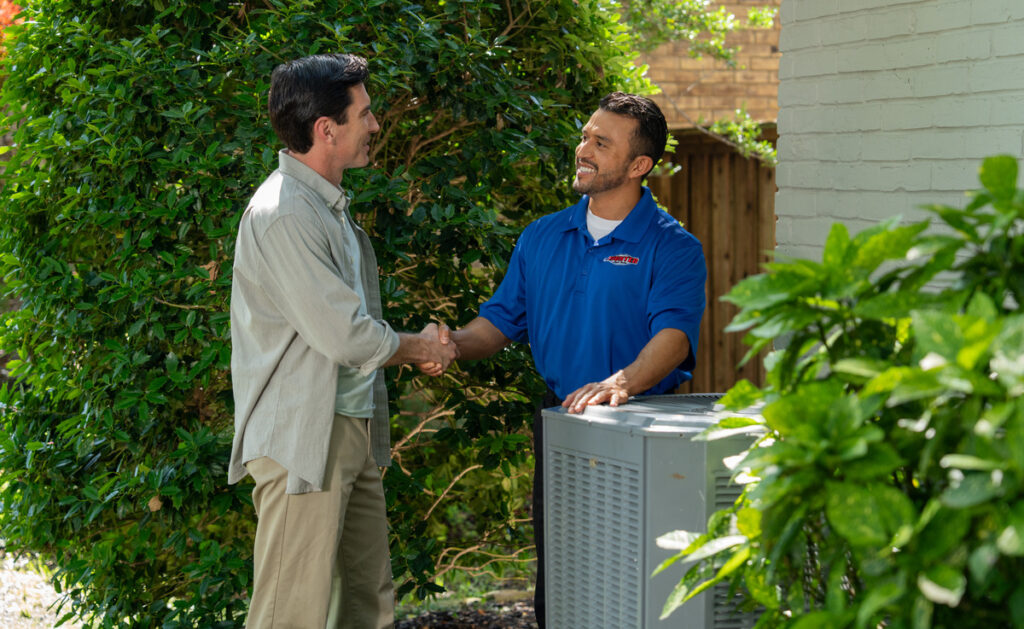
When Should You Call an HVAC Professional?
If your AC has been running constantly but your home still feels muggy, it’s time to call a professional. Persistent humidity issues often point to deeper problems like refrigerant issues, airflow restrictions, incorrect system sizing, or duct leaks.
If you notice ice buildup, musty smells, weak airflow, or rising energy bills, don’t wait. These issues can get worse quickly and may eventually lead to more expensive AC repairs.
Contact Hunter Super Techs for AC Help in Southern Oklahoma and North Texas
You don’t have to live with sticky indoor air. Whether you need an AC tune-up, repair, or air conditioner replacement, Hunter Super Techs is here to help.
We proudly serve Ada, Ardmore, Durant, Denison, and surrounding Texoma communities. Contact us today to restore comfort in your home.