



Blog
How To Choose The Right Generator For Your Home
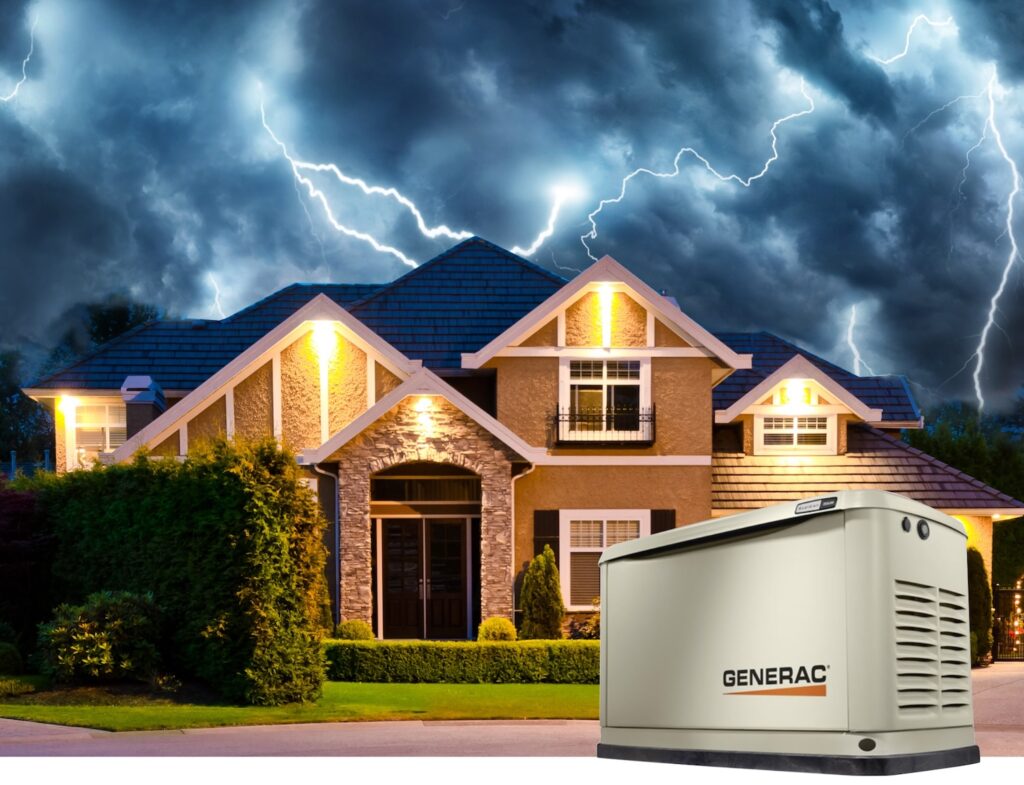
The right generator for your Texoma home depends on what you want to power, the wattage your appliances require, and whether natural gas, propane, or another fuel source is available at your property. A smaller generator may cover essentials like your refrigerator, lights, Wi-Fi, and sump pump, while a properly sized standby generator can provide whole-home backup power.
For homeowners in Southern Oklahoma and North Texas, generator sizing should also account for prolonged summer heat, HVAC demand, severe thunderstorms, tornadoes, ice storms, and the possibility of extended utility outages. This guide will help you compare coverage, fuel, sizing, installation, and maintenance considerations before choosing a generator.
Key Takeaways
- Start by deciding whether you want to power essential appliances, part of your home, or your entire home during an outage.
- Generator fuel options include natural gas, propane, and diesel, depending on availability and your household’s needs.
- Proper sizing requires considering both running watts and the additional starting watts some appliances need.
- Texoma homeowners should account for heavy summer cooling demands, severe storms, ice, and local fuel availability when selecting a generator.
- Professional installation helps ensure safe fuel connections, code compliance, proper permitting, and reliable operation.
- Routine maintenance, including oil changes, battery testing, and system checks, keeps a standby generator ready for an outage.
Table of Contents
- Start With What Matters: What Do You Want to Power?
- Know Your Fuel Options
- Sizing Your Generator: Why It Matters
- What Should Texoma Homeowners Consider When Choosing a Generator?
- Why Professional Installation Makes All the Difference
- Maintenance Matters: Keep Your System Ready
- What Are the Benefits of a Standby Generator?
- Ready to Power Up With Confidence?
Start With What Matters: What Do You Want to Power?
Generators aren’t one-size-fits-all. To find the best fit, start by deciding what parts of your home you want to keep running during an outage.
Partial Coverage
Want to keep the essentials up and running? Think refrigerator, lighting, Wi-Fi, medical devices, and the sump pump. A smaller generator can handle selected essentials and help you weather a short-term power loss more comfortably.
Before choosing partial coverage, decide which circuits matter most to your household. Your priorities may include refrigeration, a few lights and outlets, internet equipment, a well pump, or one heating or cooling system.
Whole-Home Backup
Looking for more seamless comfort? A whole-home generator can be sized to power major systems such as HVAC equipment, kitchen appliances, a water heater, medical equipment, and more. It may be especially valuable if you work from home, care for young children or older adults, rely on powered medical equipment, or simply want to minimize disruption when the electricity goes out.
“Whole-home” does not necessarily mean every appliance can operate simultaneously without limits. The generator must be properly sized for your home, and some installations may use load-management equipment to prioritize essential systems.
Our certified SuperTechs work with you to understand your household’s needs and recommend the best-fit system based on your preferences, energy usage, property, and budget.
Know Your Fuel Options
Different generators use different fuel sources, and the best one for you depends on what’s available at your property, the type of generator being installed, and how you plan to use the system.
Natural Gas
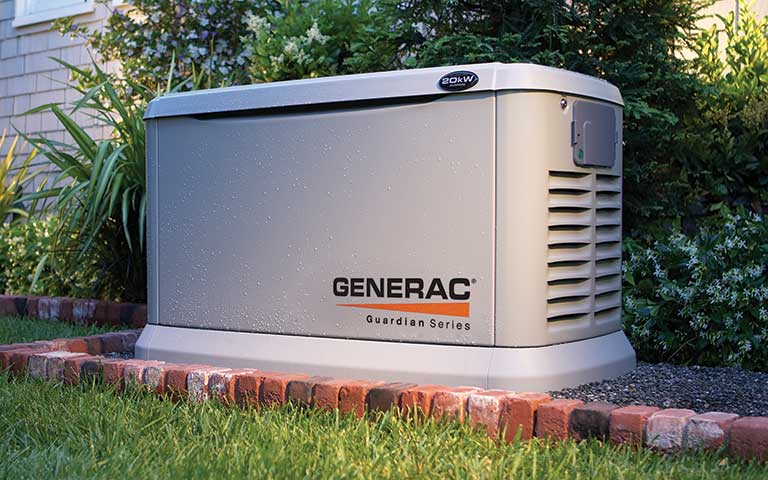
A natural gas standby generator connects to your home’s gas supply, providing a convenient fuel source without requiring you to refill a portable tank.
- Best for: Homes with adequate natural gas service
- Benefits: Convenient fuel delivery, no on-site refilling, and reliable operation during many extended outages
- Important consideration: The gas line and meter must be evaluated to confirm they can support the generator’s fuel demand
Propane
If natural gas isn’t available, propane may be a practical alternative. It can be stored in a tank on the property and used to power a compatible standby generator.
- Best for: Rural homes and properties without natural gas service
- Benefits: Long storage life, clean burning, and on-site fuel availability
- Important consideration: Tank size should be based on the generator’s fuel consumption and the length of outage coverage you want
Diesel
Diesel generators are known for efficiency, durability, and high output. They are more commonly used for heavy-duty, agricultural, or commercial applications, although they may be appropriate for certain residential properties.
- Best for: High-demand, agricultural, commercial, or some rural properties
- Benefits: High output and reliable performance under heavy loads
- Important consideration: Diesel requires proper fuel storage and ongoing fuel-quality management
At Hunter Super Techs, we help you weigh your options based on local availability and what fits your energy needs. Our customer-first approach means you receive straightforward guidance based on your home and priorities.
Sizing Your Generator: Why It Matters
An undersized generator may not deliver enough power, while an oversized one can be unnecessarily costly and may operate less efficiently. That’s why getting the right size is critical.
We recommend evaluating:
- Running watts: How much power your devices and systems use during normal operation
- Starting watts: The temporary surge of power that motors, compressors, pumps, and certain appliances need to start
- Simultaneous loads: Which appliances and systems are likely to operate at the same time
- Priority loads: Which circuits must remain powered and which ones can temporarily be turned off
Here’s a rough breakdown:
- Basic essentials such as a refrigerator, lights, and internet: Approximately 5,000–7,500 watts
- Partial-home coverage that also includes equipment such as a furnace fan or sump pump: Approximately 8,000–12,000 watts
- Broader or whole-home coverage: Approximately 12,000–22,000+ watts
These ranges are only general estimates. Your actual generator size will depend on your home’s electrical service, the appliances and systems you want to operate, their starting requirements, and how many loads may run at once.
Air conditioners, heat pumps, electric water heaters, well pumps, and other high-demand equipment can significantly affect generator sizing. Our SuperTechs use detailed load calculations to help ensure your generator is properly sized for your home. That means no guesswork, less stress, and greater peace of mind when the power goes out.

What Should Texoma Homeowners Consider When Choosing a Generator?
Homeowners in Ada, Ardmore, Durant, Denison, and surrounding Texoma communities face a combination of weather and property conditions that can affect generator selection. Severe thunderstorms, high winds, tornadoes, lightning, ice accumulation, and extreme temperatures can all contribute to power interruptions across Southern Oklahoma and North Texas.
Here are several local factors to consider:
- Summer cooling demands: Texoma’s prolonged summer heat can make air conditioning one of the most important—and most power-intensive—loads in your home. If you want to operate your AC during an outage, it must be included in the generator load calculation.
- Winter heating and freeze protection: Winter storms and ice can interrupt power when you need heating equipment most. Backup power may also help protect plumbing from freezing during extended cold-weather outages.
- Severe-weather readiness: Spring and summer thunderstorms can arrive quickly and may produce damaging wind, lightning, hail, or tornadoes. An automatic standby generator can detect an outage and begin supplying power without requiring you to set up equipment outdoors during dangerous weather.
- Urban versus rural fuel access: Natural gas may be available at many properties in and around larger communities, while rural Texoma homes may depend on propane. Your fuel supply, gas-line capacity, tank size, and anticipated runtime should all be evaluated before choosing a system.
- Well pumps and septic equipment: Rural households may need backup power for a private well pump, septic system components, or other equipment that city-connected homes may not use. These loads should be included when sizing the generator.
- Home offices and communication: Reliable backup power can keep internet equipment, phone chargers, computers, and other communication tools operating during an outage, provided local internet service remains available.
- Placement and property conditions: The generator needs a safe, code-compliant location with appropriate clearance from windows, doors, vents, combustible materials, utility equipment, and property boundaries. Drainage, flood exposure, slope, and access for future maintenance should also be considered.
- Local permits and inspections: Permitting and installation requirements can differ between Oklahoma and Texas and among individual cities, counties, utilities, and gas providers. A professional installer can determine which approvals apply to your address.
Because homes throughout Texoma vary widely—from in-town properties in Ada, Ardmore, Durant, and Denison to larger rural properties—the right generator setup should be based on your specific home rather than a one-size-fits-all recommendation.
Hunter Super Techs can evaluate your electrical service, preferred backup loads, fuel availability, placement options, and local installation requirements to recommend a system suited to your household and property.
Why Professional Installation Makes All the Difference
Installing a standby generator isn’t a DIY project. It involves complex electrical work, fuel connections, safety protocols, equipment clearances, local permitting, and coordination with utility or fuel providers. That’s why professional installation is so important.
When you choose Hunter Super Techs, you’re getting:
- A thorough home assessment and generator load calculation
- Help choosing a safe, practical installation location
- Code-compliant electrical and fuel connections
- Assistance with applicable permitting and inspections
- Connection to your electrical system through an automatic transfer switch
- Comprehensive testing to verify that the system operates properly
- An explanation of basic generator operation and maintenance requirements
An automatic transfer switch safely disconnects your home from utility power before the generator supplies electricity. This helps prevent dangerous backfeeding and allows a standby system to begin operating automatically when an outage is detected.
We treat your home with the same care we’d want for our own. That’s what it means to be a locally operated, community-focused business. It’s also why homeowners across Southern Oklahoma and North Texas trust us with their long-term comfort and safety.
Maintenance Matters: Keep Your System Ready
Just like your HVAC system or car, your generator needs regular upkeep to stay reliable. Routine maintenance helps ensure it’s ready when you need it and reduces the risk of unexpected repairs.
Generator maintenance may include:
- Oil and filter changes
- Battery inspection and testing
- Fuel-system inspection
- Software and firmware updates when applicable
- Automatic transfer switch testing
- Full-system operation checks
- Inspection for leaks, corrosion, debris, or pest activity
Texoma’s heat, dust, storms, and seasonal temperature changes can be hard on outdoor equipment. Your generator should also be checked after a prolonged outage or extended period of operation so that it is ready for the next emergency.
Plus, with our comprehensive home services, you can count on one trusted partner to maintain your HVAC, plumbing, electrical, and backup power systems under one roof. That’s convenience and comfort you can count on.
What Are the Benefits of a Standby Generator?
A standby generator does more than keep the lights on. It helps protect your home, your daily routine, and your peace of mind.
Advantages of a Standby System
- Automatic operation: A permanently installed standby system can start automatically when it detects an outage
- Reliable backup power: Keeps selected systems such as HVAC equipment, refrigerators, pumps, lights, and outlets running
- Home office support: Maintains power for internet equipment and essential technology when communications services remain available
- Household safety: Helps keep lighting, security systems, medical equipment, and other critical devices powered
- Damage prevention: Can help reduce the risk of spoiled food, frozen pipes, and water damage related to an inoperable sump pump
- Greater convenience: Eliminates the need to roll out a portable generator, connect extension cords, or refuel equipment during severe weather
- Long-term preparedness: Provides a dependable backup plan for seasonal storms and unexpected utility outages
Whether the outage is caused by a severe thunderstorm, tornado, ice storm, extreme temperature, utility problem, or another unexpected event, a standby generator can help your household remain safer and more comfortable.
Ready to Power Up With Confidence?
At Hunter Super Techs, we’re here to deliver comfort and security when you need it most. From the first consultation to final installation—and every maintenance check in between—we bring certified expertise, local care, and a commitment to excellence.
Why choose us?
- Certified SuperTechs
- One-stop home service provider
- Transparent, honest pricing
- Locally operated with a heart for the community
- Personalized comfort solutions
- Local experience serving Southern Oklahoma and North Texas
Whether you’re in Ada, Ardmore, Durant, Denison, or a surrounding Texoma community, Hunter Super Techs can help you choose, size, install, and maintain a generator that fits your home.
Let’s keep your home powered, your family protected, and your comfort uninterrupted—no matter the weather. Schedule generator service online or contact Hunter Super Techs to get started.
Your Comfort. Our Mission.
Frequently Asked Questions
The cost varies depending on size, installation complexity, and fuel type. On average, installation for a home generator runs between $6,000 and $15,000. We provide transparent pricing, so you’ll always know what to expect—no surprises, no hidden fees.
Natural gas generators can run indefinitely while connected to a fuel supply. Propane or diesel generators typically last 24–72 hours on a full tank. Runtime depends on fuel availability and your home’s electrical load.
Yes, with the right generator size and setup, full-home coverage is possible. We’ll guide you through load planning and help configure a system that meets your goals.
We recommend servicing your generator once a year or every 100–200 hours of use. Regular maintenance ensures your system is ready when the power goes out.
Portable generators require manual setup, refueling, and can pose carbon monoxide risks. Standby generators are permanently installed, start automatically, and safely power your home without lifting a finger.