


If you live in southern Oklahoma or North Texas, chances are you’ve experienced at least one unexpected power outage - whether it was caused by severe thunderstorms, high winds, ice, or even extreme summer heat. As such, you’ve probably heard of an inverter. You’ve also probably heard of a generator. You might even own one already. But what are they, and how are they different from each other?
While many homeowners use the terms “inverter” and “generator” interchangeably, they are not the same. They serve different purposes, especially in regions like southern OK and north TX, where weather patterns and grid strain play a major role in backup power needs. Continue reading to find out why it’s important to consider your intended use, energy needs, local factors, and budget when choosing between the two.
What is a Generator?
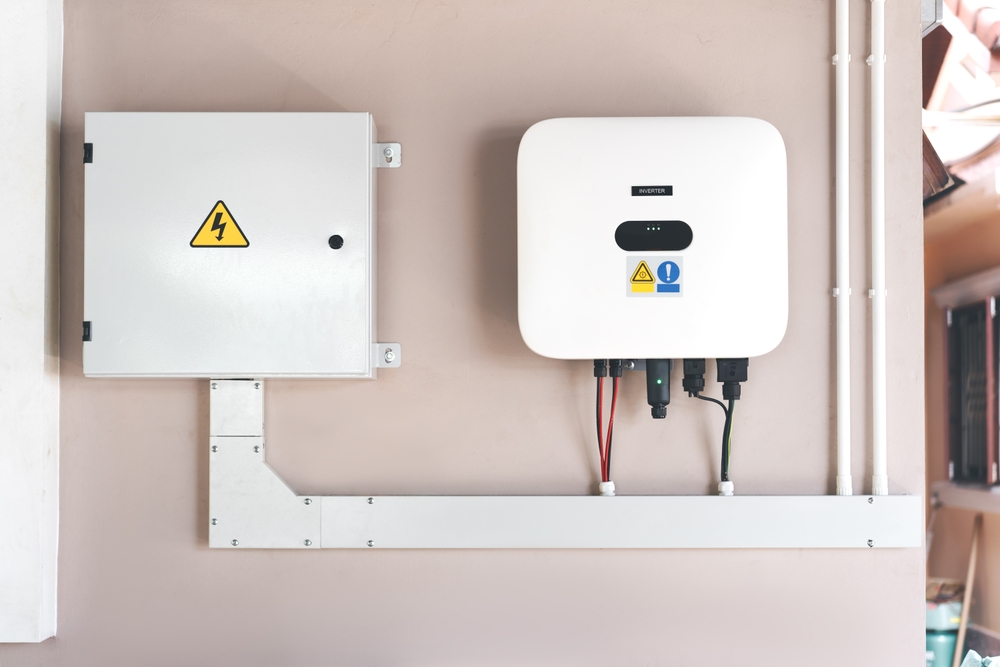
As you may know, traditional generators are a backup power source that converts mechanical energy into electrical energy. Most traditional generators use gasoline as a fuel source, but propane dual fuel and solar generators also exist. They are most commonly used in homes, businesses, and hospitals during power outages.
What is an Inverter?
Inverter generators are generally more fuel-efficient and eco-friendly than traditional generators. They use advanced technology to adjust fuel consumption based on demand, resulting in lower fuel costs and emissions. Plus, they’re much quieter than a traditional generator.
To learn more, we need to talk about AC and DC (not the band).
Inverter generators convert direct current (DC) to alternating current (AC), producing cleaner and more stable AC power, making them safer for electronics like smartphones and laptops. They are also lightweight and portable.
Key Differences: Inverter vs Generator
| Factors | Inverter | Generator |
|---|---|---|
| How It Works | Converts stored DC into AC | Converts mechanical energy into electrical energy |
| Power Source | Powered by a battery, which is charged by electricity | Uses diesel or gasoline, considering its internal combustion system |
| Energy | Changes DC into AC, ensuring a stable electrical signal | Typically uses fossil fuels to generate electrical energy from mechanical energy |
| Weight & Portability | Smaller and lightweight | Heavier and is not portable |
| Cost | An inverter is typically more expensive per watt | Generally less expensive than an inverter |
| Start Time & Process | An inverter starts as soon as there is a power outage. | Unless you have a whole-home generator, a generator may need to be started manually. |
| Noise | Other than a brief beeping sound, an inverter is silent. | Louder and can irritate you and your neighbors. |
Pros and Cons of Generators
Generator Pros:
- They can supply power for extended periods thanks to their large fuel capacity.
- They can be used for all home appliances and heavy equipment.
- They are generally cheaper than inverters.
Generator Cons:
- They are very noisy.
- It can take a lot of effort to start them.
- They are not the most eco-friendly option due to high pollution.
- Most are not compatible with solar and could be a fire hazard.
- It can cost a lot to run them.
Pros and Cons of Inverters
Inverter Pros:
- They are eco-friendly and compatible with solar.
- They can run for extended periods when used with large batteries.
- They start immediately after an outage.
- They can power all appliances and equipment.
- They are soundless.
Inverter Cons:
- They are expensive.
- They can’t power large appliances.
Regional Factors That Affect Backup Power in Southern Oklahoma & North Texas
Choosing between an inverter and a traditional generator isn’t just about watts and price. It’s also about where you live. Homeowners in southern Oklahoma and North Texas face unique regional challenges that make backup power more than just a convenience.
From extreme heat and severe storms to rural infrastructure and grid demand, these local factors play a major role in determining whether an inverter or generator is the better fit for your home.
Severe Weather & Storm-Related Outages
Southern Oklahoma and North Texas are no strangers to powerful thunderstorms, high winds, tornado activity, and winter ice events. These weather conditions frequently lead to downed power lines and extended outages, sometimes lasting several hours or even days.
In these situations, a traditional generator or whole-home generator is often the better choice, as it can power essential appliances like refrigerators, HVAC systems, sump pumps, and medical equipment for long periods. Inverters are better suited for short-term or low-power needs during brief outages.
Extreme Summer Heat & Power Grid Strain
North Texas and southern Oklahoma regularly experience triple-digit summer temperatures. During heat waves, the electrical grid is under heavy strain due to increased air conditioning use, making rolling outages and brownouts more common.
If staying cool is a priority, a generator capable of running your air conditioner or central HVAC system is often necessary. Inverters typically can’t handle the high startup load required for cooling equipment, making them better suited for powering electronics, lights, and small devices.
Rural Homes & Longer Power Restoration Times
Many communities across southern Oklahoma and North Texas are more rural or semi-rural, which can mean longer wait times for utility crews to restore power after an outage.
For homeowners in these areas, a traditional generator or whole-home generator provides peace of mind by delivering sustained power during extended outages. Inverters, while quiet and portable, are typically better suited for short-term use or off-grid activities like camping and RV travel.
Noise Levels in Residential Neighborhoods
In more densely populated North Texas neighborhoods or suburban communities, generator noise can be a concern, especially during overnight outages. Inverter generators are significantly quieter, making them a good option for homeowners who want emergency power without disturbing nearby neighbors.
Which One Is Right For You?
Choosing between an inverter and a generator can be tough, especially if you’re new to this. We recommend considering the following factors before settling on one:
Amount of Power
Traditional generators create a lot of power due to their large fuel tanks. This means you can power larger appliances like refrigerators and laundry machines. Inverters can’t power larger appliances like this.
Mobility
If you need to use backup power for camping or other off-grid activities, then an inverter is a great option. Inverters are small and portable, unlike traditional generators. Traditional generators are often large and heavy, and they are difficult to move around.
Fuel Consumption
Fuel consumption is important to consider because it directly affects operating costs. Traditional generators typically cost a lot to operate since they use high power and fossil fuels. Inverters are more cost-effective.
Noise Level
Inverters are by far the best choice if noise is an issue for you. An inverter is soundless. Traditional generators are noisy and cause noise pollution, which is a problem if you live in a populated residential area.
The Takeaway
If you’re thinking about adding a backup power source, then a generator should suit your needs. Traditional generators are budget-friendly and can supply power to large appliances for lengthy periods. However, traditional generators are not the most environmentally friendly choice and can cost a lot to run.
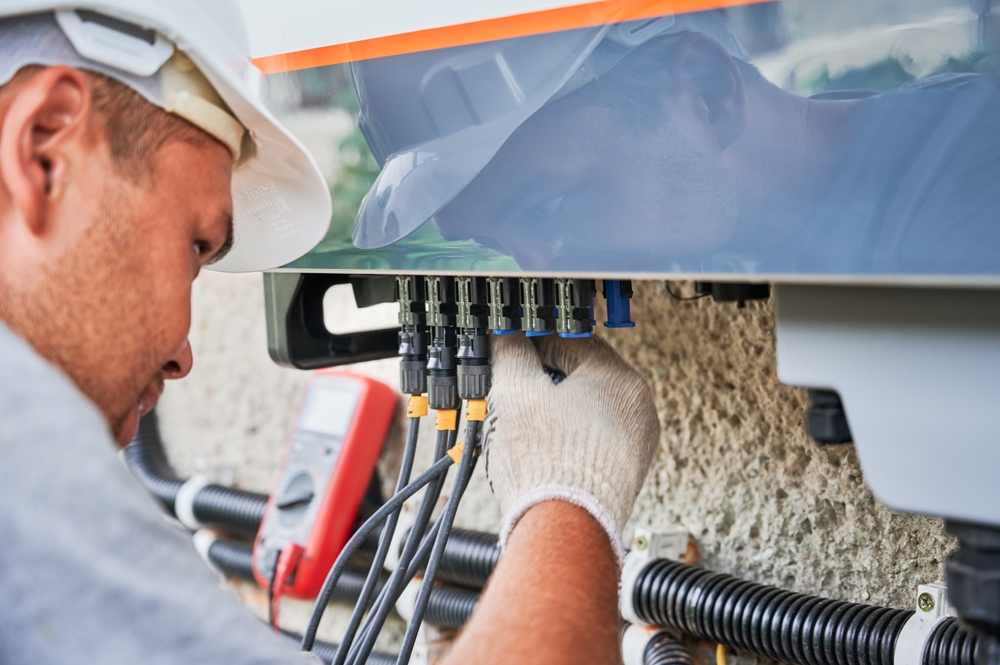
Inverters are ideal for those who don’t need to power large appliances. They’re also great for people who go camping often and care about minimizing noise pollution.
One of the best ways to get immediate power after an outage is with a whole-home generator. Hunter Super Techs offers whole-home generator installations and other electrical services to safeguard your home, regardless of the situation.
For homeowners in southern Oklahoma and North Texas, the right backup power solution depends on your local weather risks, home size, and how long you need reliable electricity during an outage.
If you need help deciding between an inverter and a generator, give us a call. We’ll be happy to help!
As a homeowner, you have made one of the best decisions in protecting your daily comfort: buying a whole-house generator. Also known as a standby generator, this wonderful piece of tech provides you backup power during everything from random blackouts to severe weather. But after making the big purchase, the next question is “How does backup generator installation work?” No need to worry as the electrical experts at Hunter Super Techs have the guide you need to get your brand-new generator installed and ready to be used.
How a Standby Generator Works
A standby generator, which is the same as a whole-home generator, is a permanent appliance installation that supplies power to an area when an outage occurs. As soon as the area’s main power supply is stopped, the generator kicks on to provide backup power. Your main power supply can be interrupted for multiple reasons, such as severe weather, but with a generator, blackouts only last mere seconds.
Here is a breakdown of how your new standby generator installation functions:
- Your home suddenly loses power due to a bad storm, rolling blackouts, or other unexpected circumstances.
- Your standby generator senses the cut power supply and flips a transfer switch to start supplying backup power within a few seconds
- The generator will continue supplying backup power until your main supply returns. This process is hands-off, allowing the generator unit to provide backup power whether you are home or not.
Is Installing a Whole-House Generator a DIY Project?
In the world of electrical projects, there is plenty that can be done using your know-how. Unfortunately, a home standby generator installation is not one of those projects. Generators can be risky items to work with, especially if you don’t have experience working with electrical equipment. This task is best left in the hands of a professional electrician, as they have the proper tools and expertise to tackle the complex installation process and keep you safe.
How Much Does it Cost to Install a Home Standby Generator?
A home generator installation is a project with an ever-changing price tag. The exact price will always depend on factors such as where your home is located, fuel type, and the complexity of the installation. Average prices for home generators and their installation will range anywhere from $8,000 to $16,000. While not a cheap investment for your home, a licensed generator dealer, like Hunter Super Techs will assist with creating an installation plan to find the perfect fit for your needs. Hunter Super Techs even offers various financing options to take some of the shock out of the generator’s sticker price.
How to Install a Standby Generator in Your Home
Learn the installation process from our expert electricians at Hunter Super Techs. The following steps are ones our team takes for brand-new installations:
1. Choose the Right Generator
Selecting the best home generator for your home depends on certain factors. The factors include:
- Location: The placement of the generator needs to comply with the local codes. Additionally, the size and location need to be distanced from possible hazards like flooding but must also be placed in an easily accessible area.
- Fuel: Consider what fuel is available around in your area, and your capacity for storing it. Whole-house generators typically use fuel supplies like natural gas, diesel, or propane.
- Your Power Requirements: Find the essential appliances you want running in the chance an outage occurs and calculate the power needed for them to run.
2. Gather Tools
For the installation process, our team uses a variety of tools, including:
- Wire strippers
- Linesman pliers
- Shovels
- Fish Tape
- Trenching machine
3. Prepare the Installation Site
With your standby generator, you next need to find the best possible spot for installation. Prep time includes having a concrete pad installed, which will sit underneath the generator for support. The site needs to be in a location where that is safe, stable, and strong enough to support the weight of both the generator and the concrete pad underneath. The concrete pad itself will need to be larger than the space and dimensions of the generator while also being level.
4. Professional Installation
The installation process includes dealing with both electrical and gas connections, requiring the expertise of professionals from a company like Hunter Super Techs. A professional electrician provides both the necessary permits and inspections to make sure your installation process is properly done.
5. Electrical Connection
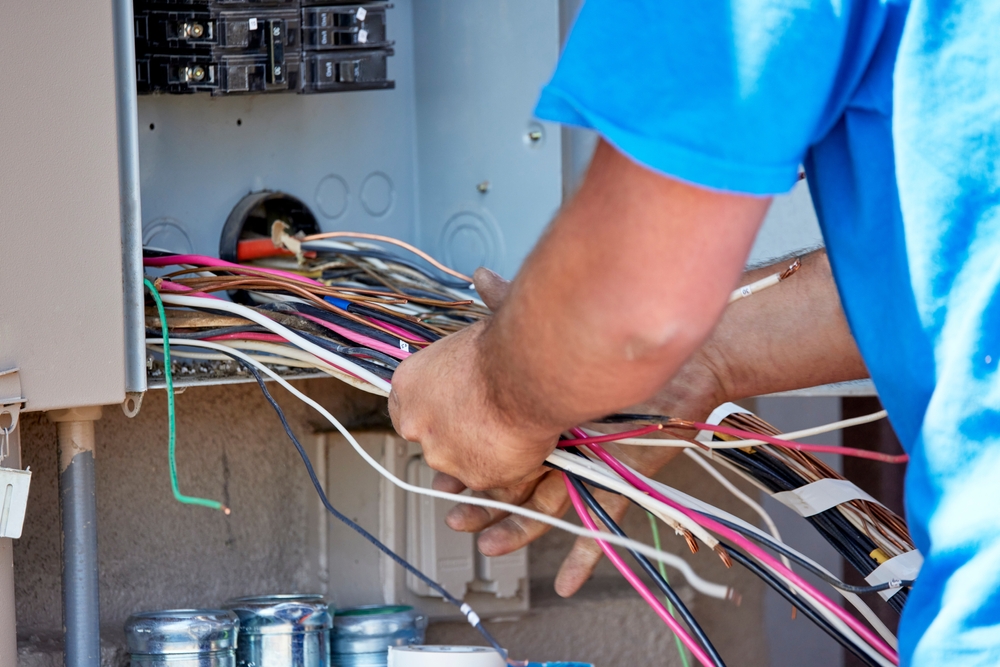
For proper electrical connection to the generator, a Hunter electrician will first install an electrical sub-panel alongside your home’s main electrical panel. A key part of this panel is the transfer switch which enables the generator to turn on when the main power supply is cut off.
Our electricians will then redirect the critical electrical circuits from the main panel to the sub-pane. This way the generator is fully integrated into your home’s electrical system.
6. Gas Connection
To connect the generator to the chosen fuel source, a Hunter electrician first digs a trench that connects the generator to your home’s high-pressure gas meter. This trench allows our team to run a natural gas line and trace wire to connect the meter and the generator.
When the fuel connection is completed, our team will inspect to make sure there are any possible hazards such as leaks.
7. Testing
Our final step is conducting various tests on the system. This includes making sure the generator can respond efficiently when power is cut and that the backup supply provides enough energy for your needs.
When tests are complete, our electricians will take the time to give you a thorough walkthrough of the system. We will consult about system functions, general safety, and the maintenance you can perform to get the most out of the investment.
How Long Does it Take to Install a Home Standby Generator?
The installation process for a home standby generator will typically take hours to complete. All the prep needed before the generator arrives at your property can take even longer, up to multiple weeks. Preparations can be impacted by factors like preparing the work site, getting a permit, or even the availability of the standby generator itself.
Whole-House Generator Installation Services in South Oklahoma and North Texas
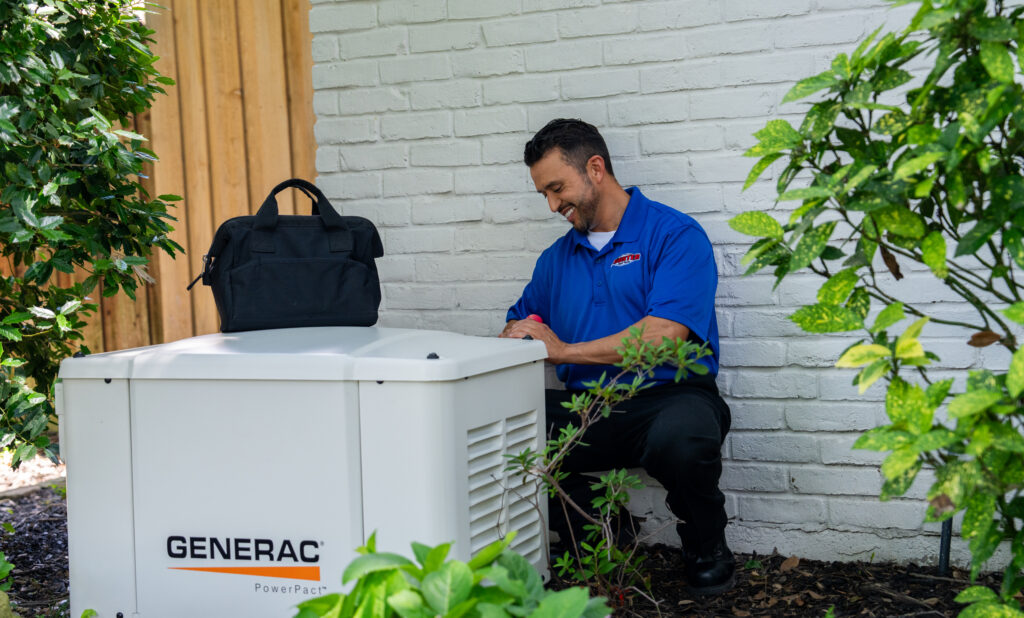
Excited about your new home generator? Leave the complex backup generator installation to the pros at Hunter Super Techs. Our experienced electricians specialize in emergency generator installation and standard residential installations, delivering fast, safe, and minimally disruptive service.
Already have a standby generator installed on your property? No problem, our electrician team provides other comprehensive services for your electrical system including routine maintenance and repairs. Your home electrical system is foundational to your daily comfort, so call on the Hunter Super Techs when the lights go out and we’ll get things running again.